Nasal Strips for Ironman and 70.3: What the Science Says About Breathing During Endurance Racing
Ironman is 8 to 17 hours of breathing under load. 70.3 is 4 to 8 hours. Where does a small adhesive strip on your nose actually fit into something this long? Here's what 30 years of research says, broken down by discipline, with the honest version of where it helps and where it doesn't.
Ironman athletes are obsessive about marginal gains. Hydration strategy. Bike fit. Sock thickness. Race nutrition spreadsheets. Yet most athletes don't think about the one system that's working the entire 8 to 17 hours of the race: their breathing.
"Nasal strips for Ironman" is a search term that's grown steadily as the triathlon community pays more attention to breathing optimisation. The question this blog answers: does the research actually support using nasal strips for Ironman and 70.3 racing, or is it just another piece of gear with marketing behind it?
This is the honest version. What the science says. Where it stops. And where nasal strips genuinely fit into a triathlon race-day strategy, discipline by discipline.
The Ironman breathing problem
Ironman is a unique respiratory challenge because of duration, not intensity. Most age-group athletes spend the majority of their race at 60 to 75% of VO2max. That's the aerobic zone where the body relies almost entirely on oxidative metabolism. Sustainable, fat-burning, all-day pace.
The challenge is what 8 to 17 hours of that pace does to your respiratory system. A 2008 study by Romer and Polkey in the Journal of Applied Physiology demonstrated that prolonged exercise at sustained intensities causes measurable respiratory muscle fatigue, which then triggers a reflex (the respiratory muscle metaboreflex) that reduces blood flow to working leg muscles. In plain terms: tired breathing muscles steal blood from your legs.
For an Ironman athlete on hour 9 of the marathon, this is the moment the wheels come off. Not glycogen depletion. Not dehydration. Respiratory fatigue, cascading into leg fatigue, cascading into the death march.
And here's what most athletes don't realise: your nose, not your lungs, is often the bottleneck. About 50 to 60% of total airway resistance sits in a small area called the nasal valve, just inside your nostrils. When you push hard or get even slightly congested (which happens during long-duration outdoor racing), the soft tissues around that valve can collapse inward. Your body defaults to mouth breathing earlier than it needs to. Hours of mouth breathing accelerates respiratory muscle fatigue, dries the airways, and disrupts the autonomic balance that long-distance racing depends on.
The science of nasal vs oral breathing for endurance
Most nasal strip claims you see online are marketing. "40% more airflow" doesn't appear in any peer-reviewed study. So let's look at what the research actually shows for endurance-pace exercise.
A 2017 study by LaComb and colleagues in the International Journal of Kinesiology and Sports Science had trained runners complete treadmill runs at 50%, 65%, and 80% of their VO2max under nasal-only and oral-only breathing. At 65% and 80% VO2max, nasal breathing was significantly more efficient than oral breathing. The ventilatory equivalents (VE/VO2 and VE/VCO2) were both lower. Same oxygen delivery, less respiratory work.
For Ironman this matters because that's exactly the intensity zone you live in during the bike and run portions. A 2018 study by Dallam and colleagues on recreational runners trained in nasal breathing found similar results: at submaximal intensities, nasal breathing delivered equivalent VO2max with significantly better ventilatory efficiency. They used less air for the same oxygen uptake, with no increase in blood lactate or perceived exertion.
The honest version: a 2021 systematic review by Dinardi and colleagues concluded that external nasal dilator strips do not significantly improve VO2max in healthy individuals. That's true. Nasal strips don't raise your ceiling. They lower the cost of operating below it. For an Ironman athlete, that distinction matters enormously, because Ironman is not raced at VO2max. It's raced at 60 to 75% of it, for hours.
A more recent 2025 Frontiers in Physiology study on well-trained cyclists and triathletes specifically tested whether nasal decongestion during oronasal (combined nose and mouth) breathing improves performance. They found that opening the nasal airway during combined breathing influences ventilatory efficiency in this athletic population. Triathletes were the test subjects.
Why the autonomic effect matters more for Ironman than for any other race
Beyond ventilatory efficiency, nasal breathing influences your nervous system in ways that compound over a long race. A 2018 systematic review by Zaccaro and colleagues in Frontiers in Human Neuroscience concluded that slow, controlled nasal breathing activates the parasympathetic nervous system, increases heart rate variability, and lowers perceived stress.
For Ironman this is profound. Hours of sympathetic-dominant breathing (rapid, shallow, mouth-driven) is metabolically expensive. It raises baseline heart rate, increases stress hormone output, and contributes to the cumulative fatigue that makes the marathon feel like a punishment by hour 8. Nasal breathing acts as a brake on that sympathetic drive. Slower, deeper, more parasympathetic. The same hourly pace, less internal cost.
A 2026 narrative review by Amirsadri and Sedighi in Behavioral Sciences synthesised 70 studies on nasal breathing and concluded that nitric oxide produced in the sinuses (concentrations up to 30,000 parts per billion) improves pulmonary oxygenation by up to 18% in some studies. When you mouth breathe for 12 hours of an Ironman, you skip that entire system. Multiply that small efficiency loss by 12 hours and the cumulative cost is real.
Where a nasal strip actually fits in
So we've established three things. Nasal breathing is more efficient at the submaximal intensities you spend most of an Ironman in. It has nervous system benefits that compound over hours. And the nasal valve is the bottleneck that often forces athletes to mouth breathe earlier than necessary.
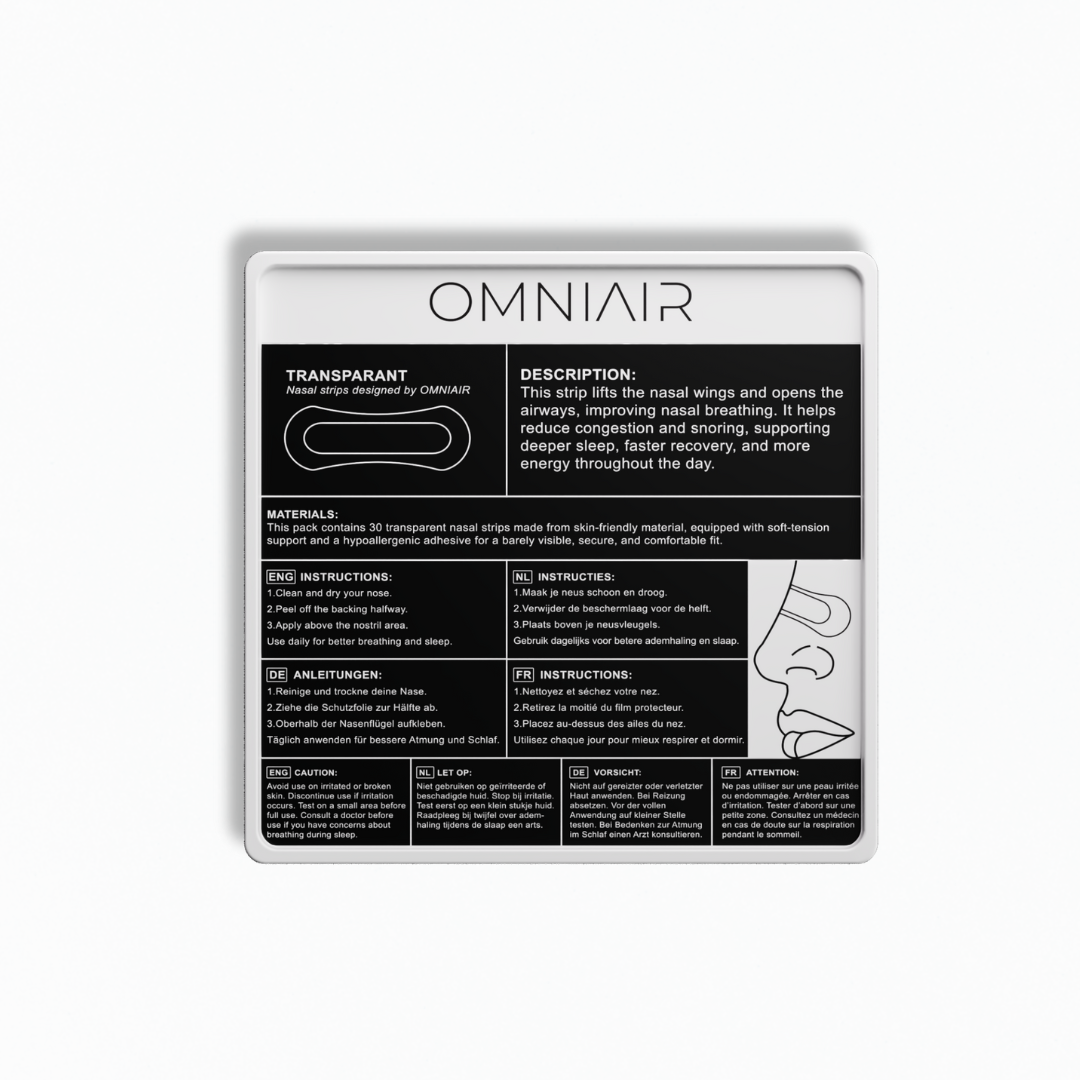
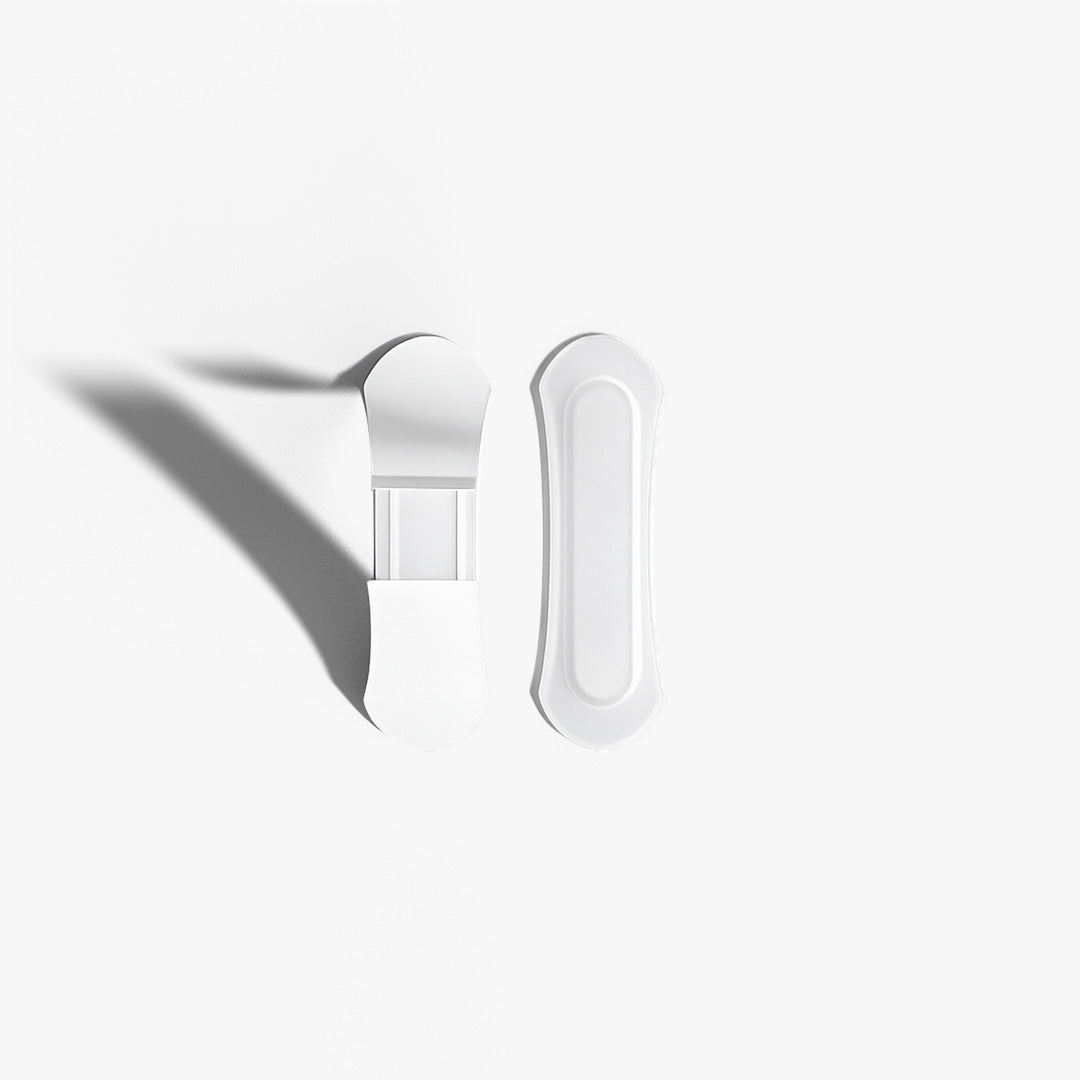
A clinical study by Roithmann and colleagues in The Laryngoscope used acoustic rhinometry to measure exactly what a nasal strip does: it significantly increases the minimum cross-sectional area of the nasal valve and reduces airflow resistance. A 2000 study by Kirkness and colleagues in the European Respiratory Journal confirmed the mechanism: the springy bands in the strip stabilise the lateral nasal walls so they don't collapse during forceful inhalation.
Translation for Ironman and 70.3: a nasal strip doesn't add anything to your physiology. It removes a mechanical barrier so you can use the nasal breathing you already have, for longer, under more cumulative load.
Discipline 1: Swimming
Honest version first: a nasal strip doesn't help much during the swim. Freestyle swimming inhales through the mouth almost exclusively. Water environment, side-breathing rhythm, occasional water inhalation. The nasal passages are mostly used for exhalation through the nose during the underwater phase.
What a nasal strip can do for the swim is more subtle. Open-water swimming triggers a sympathetic response in many athletes, especially less experienced ones. Coaches report that controlled nasal exhalation (releasing CO2 through the nose while your face is in the water) is one of the most effective tools against open-water swim panic. A strip keeps that channel open even when cold water or anxiety would otherwise constrict it.
Practical takeaway: nasal strips have limited application during freestyle swimming itself, but can support calmer nasal exhalation, which matters more than people realise during open-water race starts.
Discipline 2: The bike
This is where nasal strips have their strongest case in triathlon. The bike portion of an Ironman lasts 4 to 7 hours for most athletes. The intensity sits squarely in the 60 to 75% VO2max zone where research shows nasal breathing is significantly more efficient than oral breathing.
Three specific advantages on the bike:
- Lower ventilatory cost for the same power output. Over 5 to 6 hours, that's a measurable difference in cumulative respiratory muscle work.
- Better humidification and warming of incoming air. Critical for cold-weather Ironmans or high-altitude bike courses where dry, cold mouth breathing accelerates airway fatigue.
- Reduced accessory muscle use. Physical therapists working with Ironman athletes report that mouth breathing recruits shoulder and chest accessory muscles unnecessarily, contributing to shoulder pain and reduced bike comfort over long distances. Nasal breathing keeps the diaphragm doing the work it's designed to do.
For a 70.3 athlete, the bike portion is shorter (2 to 3.5 hours) but the same principle applies. The bike is where breathing efficiency compounds, and where a nasal strip earns its place.
Discipline 3: The run
The Ironman marathon is where races are won and lost. Most age-groupers run it at 65 to 75% of their VO2max, which is exactly the intensity zone where nasal breathing efficiency is measurable. The 70.3 half marathon sits in a similar zone.
By the time you hit the run, you've been racing for 5 to 11 hours. Your respiratory muscles are already fatigued. The metaboreflex is already kicking in, redirecting blood flow away from your legs to support breathing demands. This is the moment a nasal strip earns its keep.
Nasal breathing during the marathon supports:
- Continued parasympathetic activation, helping you stay calm and pace-aware rather than panicked
- Better humidification, which reduces the dry-throat fatigue that accelerates in the second half of any marathon
- Lower accessory muscle recruitment, preserving the shoulder and upper-body posture that contributes to running economy late in a race
- Maintained ventilatory efficiency, so you're not "spending" more oxygen on the work of breathing as fatigue accumulates
The honest part: at any point you push above your aerobic threshold (chasing a faster pace, climbing a hill, surging at the end), your body will default to mouth breathing. The strip doesn't prevent that. What it does is help you return to nasal breathing the moment you back off, faster and more completely.
The OMNIAIR Ironman protocol
How to integrate nasal strips into Ironman or 70.3 race-day strategy, based on what the research supports:
- Train with them. The biggest mistake is testing new gear on race day. Wear them on at least your last 4 to 6 long bike sessions and long runs. Your body adapts to nasal breathing under load over weeks, not hours.
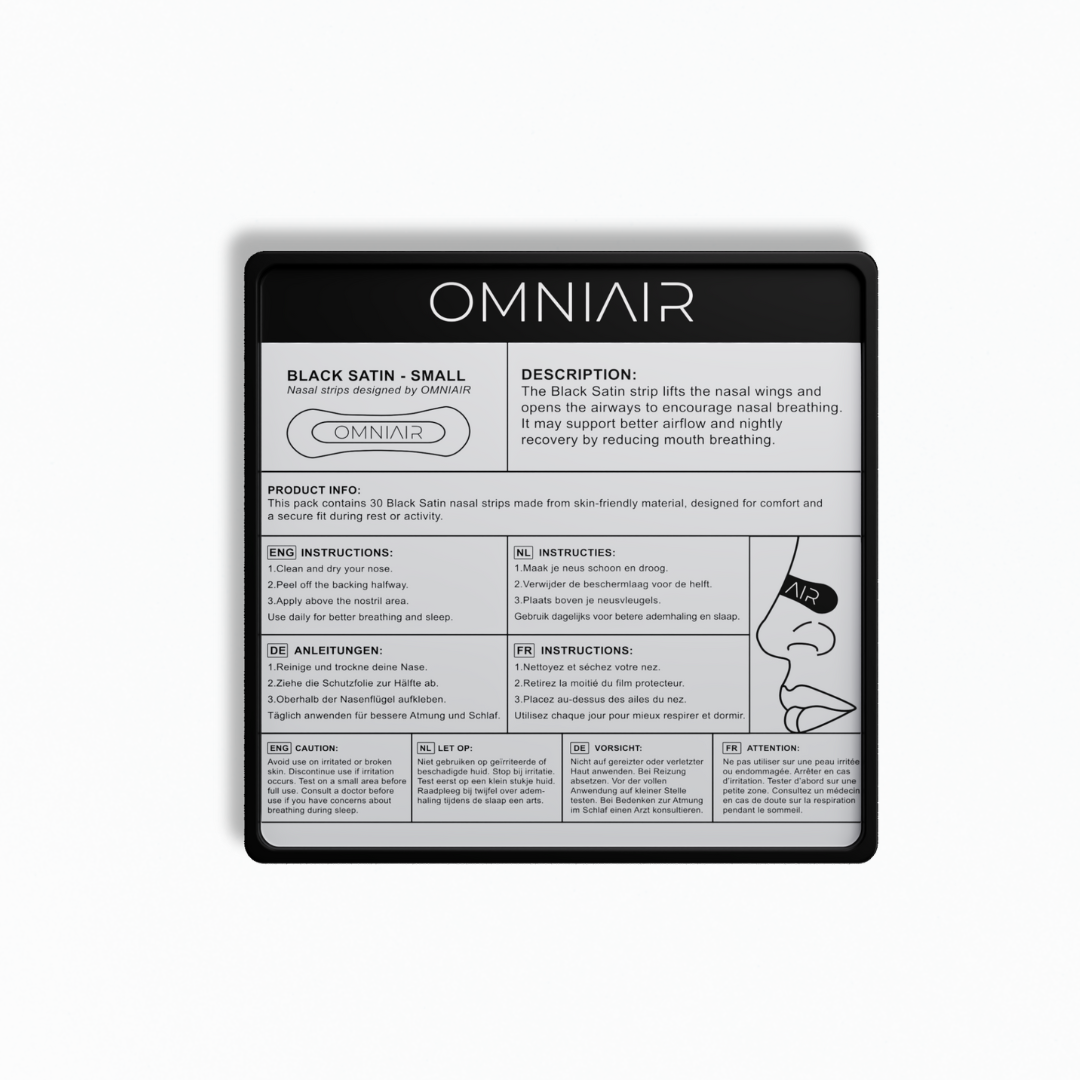
- Apply 20 to 30 minutes before race start. Clean, dry skin. No oil-based moisturisers. Let the adhesive bond before you start sweating.
- For Ironman, plan for replacement in T2. A single strip can hold for 5 to 6 hours, but the swim and bike combined will degrade adhesion. Have a fresh strip in your run gear bag and apply it before you start the marathon.
- For 70.3, one strip usually lasts the full race. Apply pre-race, leave it on through the swim, bike, and run.
- Use as a pacing tool. If you notice you're mouth breathing earlier than expected on the bike, that's data. Either pull back on pace or accept that you're working above the threshold you trained for.
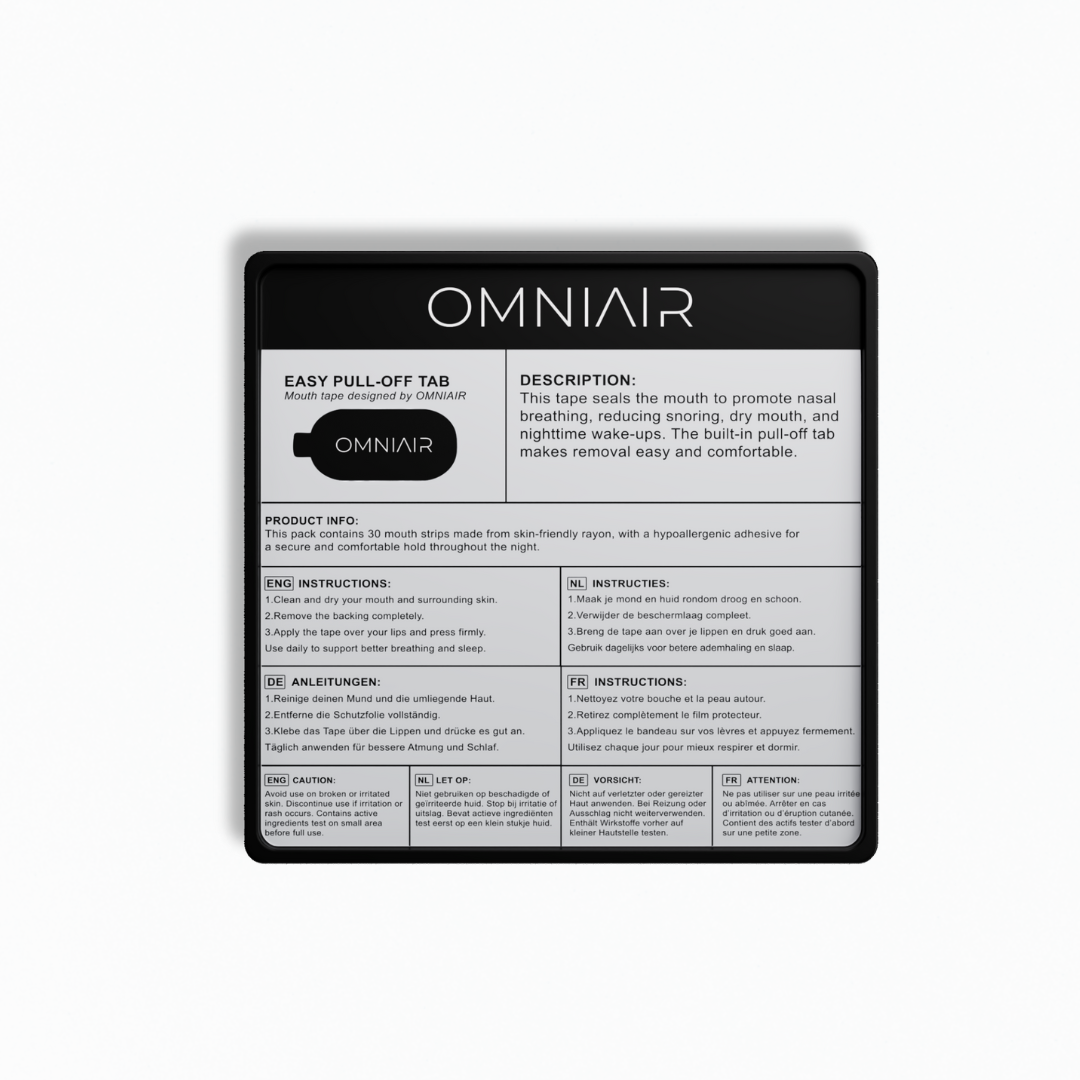
- Combine with sleep recovery. The 2 to 3 nights before an Ironman are critical. Mouth tape during sleep supports nasal breathing, deeper sleep, and better autonomic recovery going into race week.
What a nasal strip won't do for your Ironman
This part matters because brand authority comes from honesty:
- It won't increase your VO2max. The 2021 Dinardi meta-analysis confirmed this. A strip can't change your ceiling. It can lower the cost of operating below your ceiling.
- It won't fix poor pacing. Going out too fast on the bike destroys an Ironman more reliably than any other mistake. No strip fixes that.
- It won't help much during the swim. Freestyle is mouth-dominant. Be honest about where the tool fits.
- It won't replace respiratory muscle training. If you want a measurable performance gain in respiratory function, dedicated inspiratory muscle training (using a device like PowerBreathe for 4 to 6 weeks) has consistent evidence in endurance research.
- It's not "40% more airflow". That number is marketing. The real claim is that it stabilises the nasal valve and reduces airflow resistance, which has measurable benefits at submaximal intensity. That's enough.
How OMNIAIR thinks about Ironman
Ironman is the ultimate test of recovery, not just fitness. The athletes who execute their best races are the ones who treat sleep, breathing, and nervous system regulation as seriously as their training programme. The race is too long, the cumulative load too high, for anything else to work.
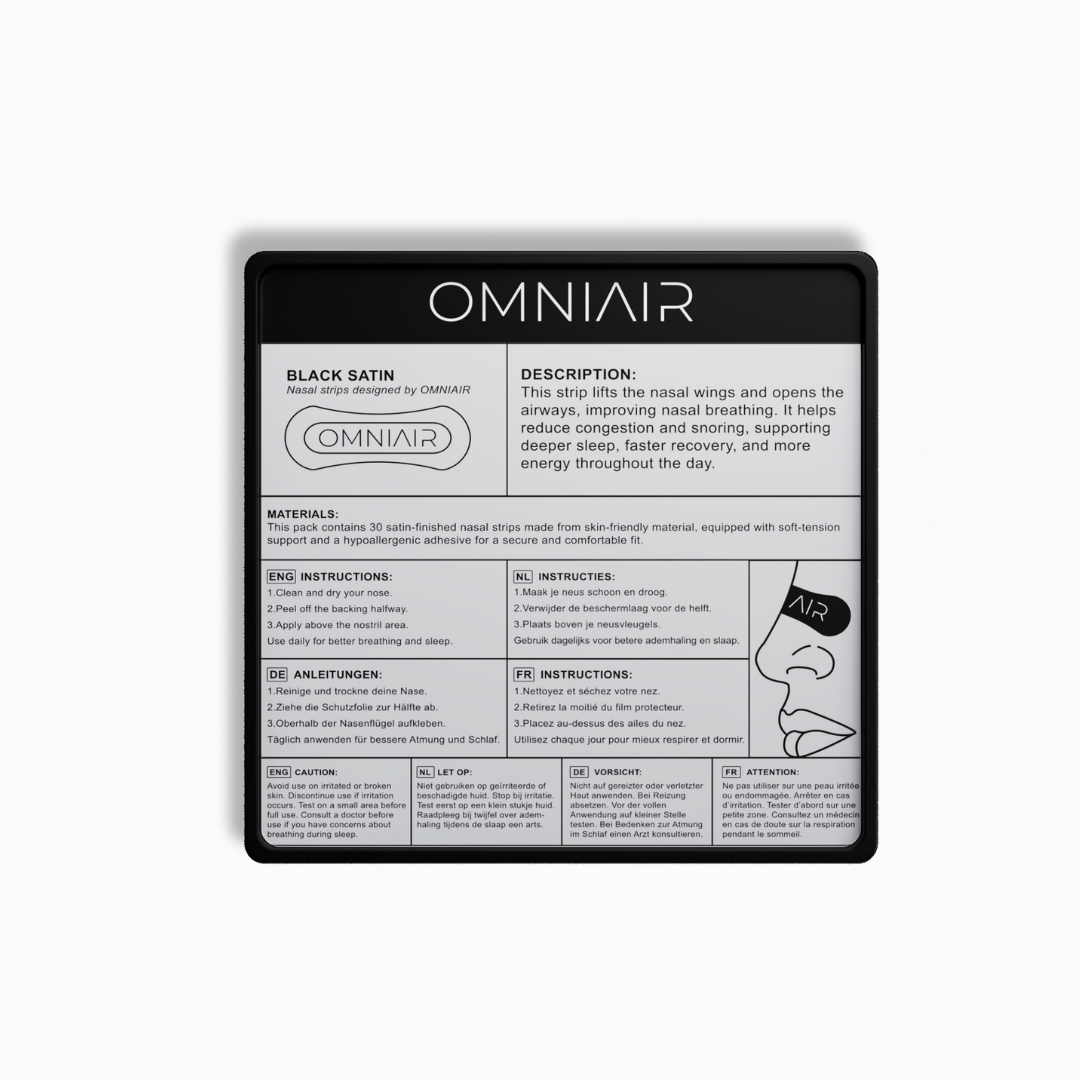
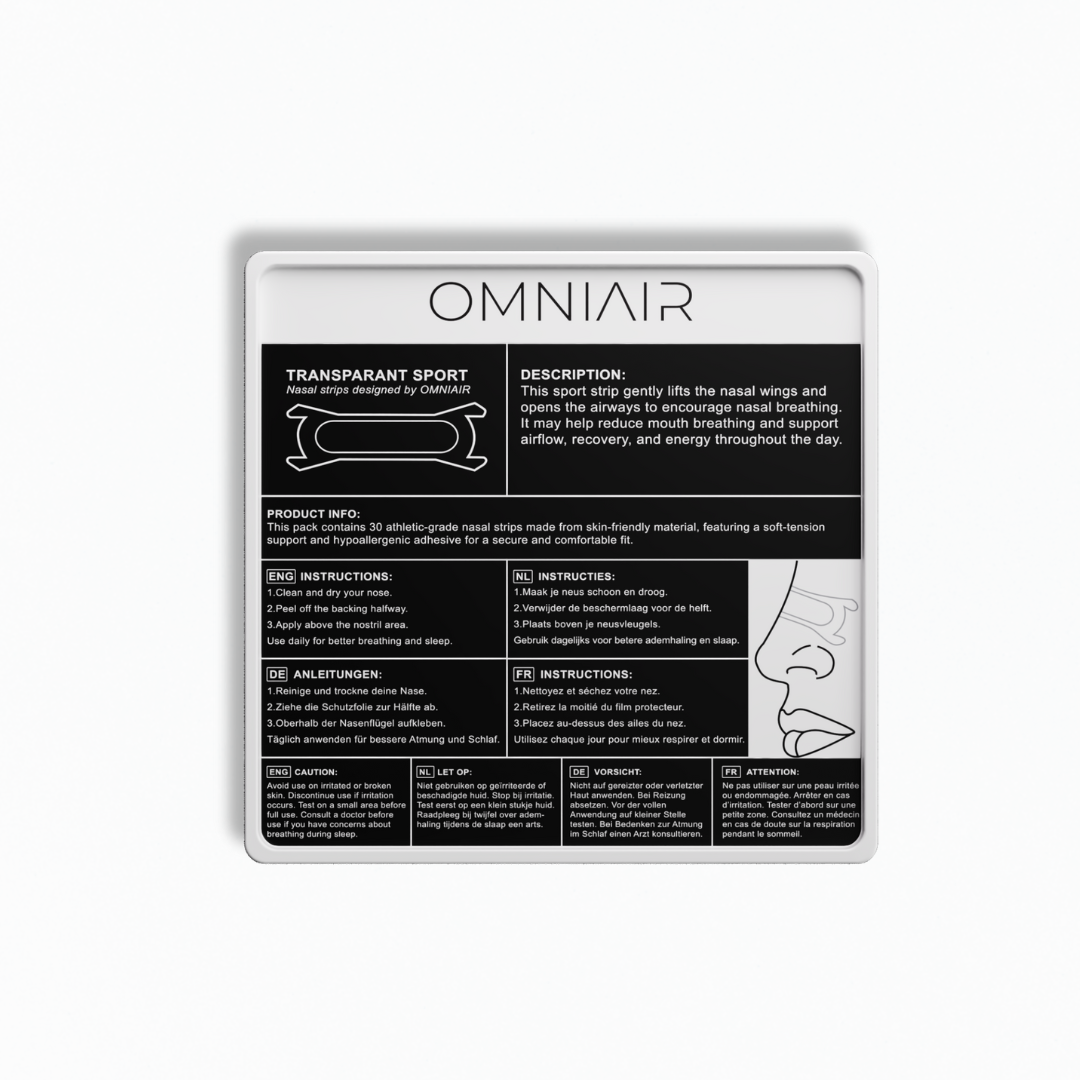
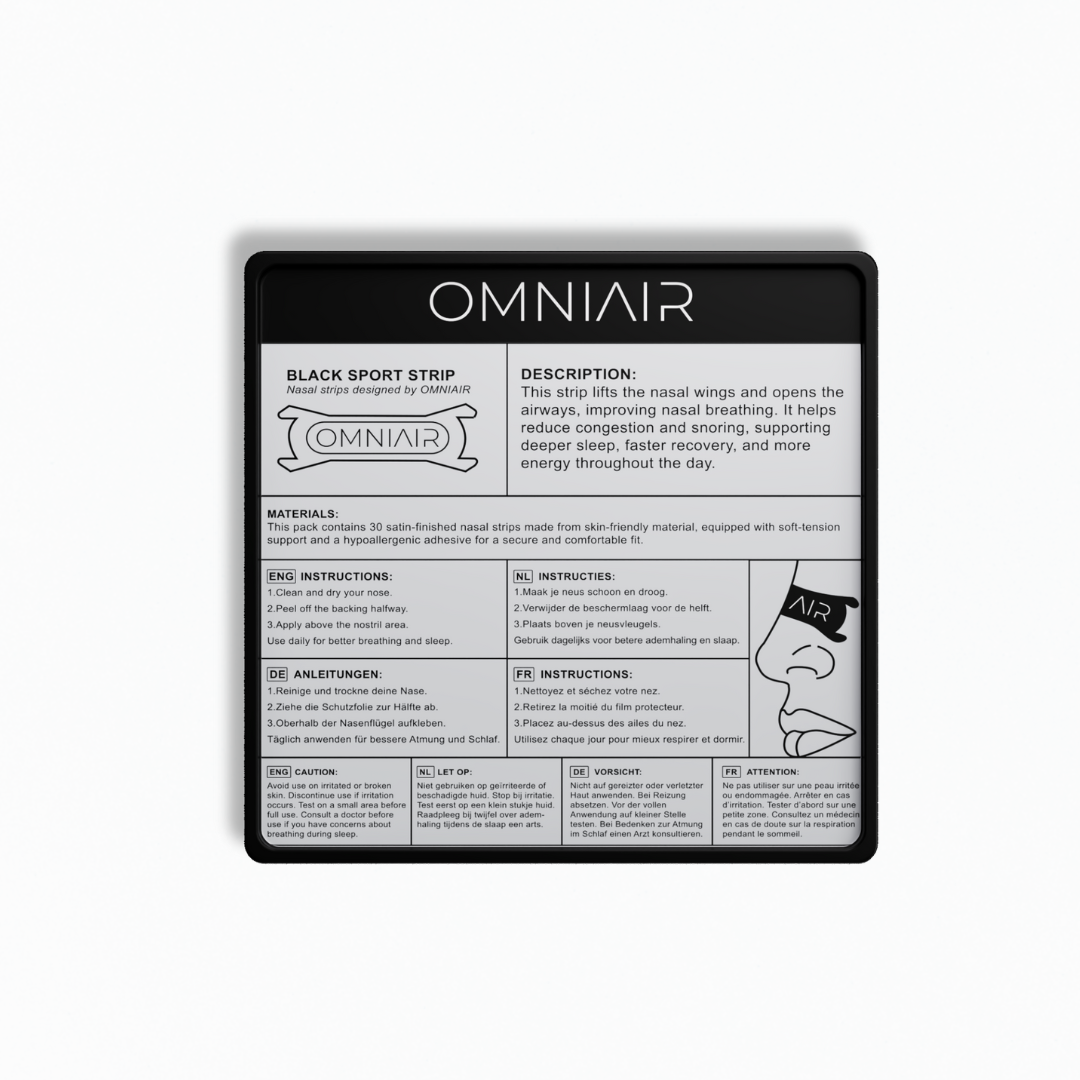
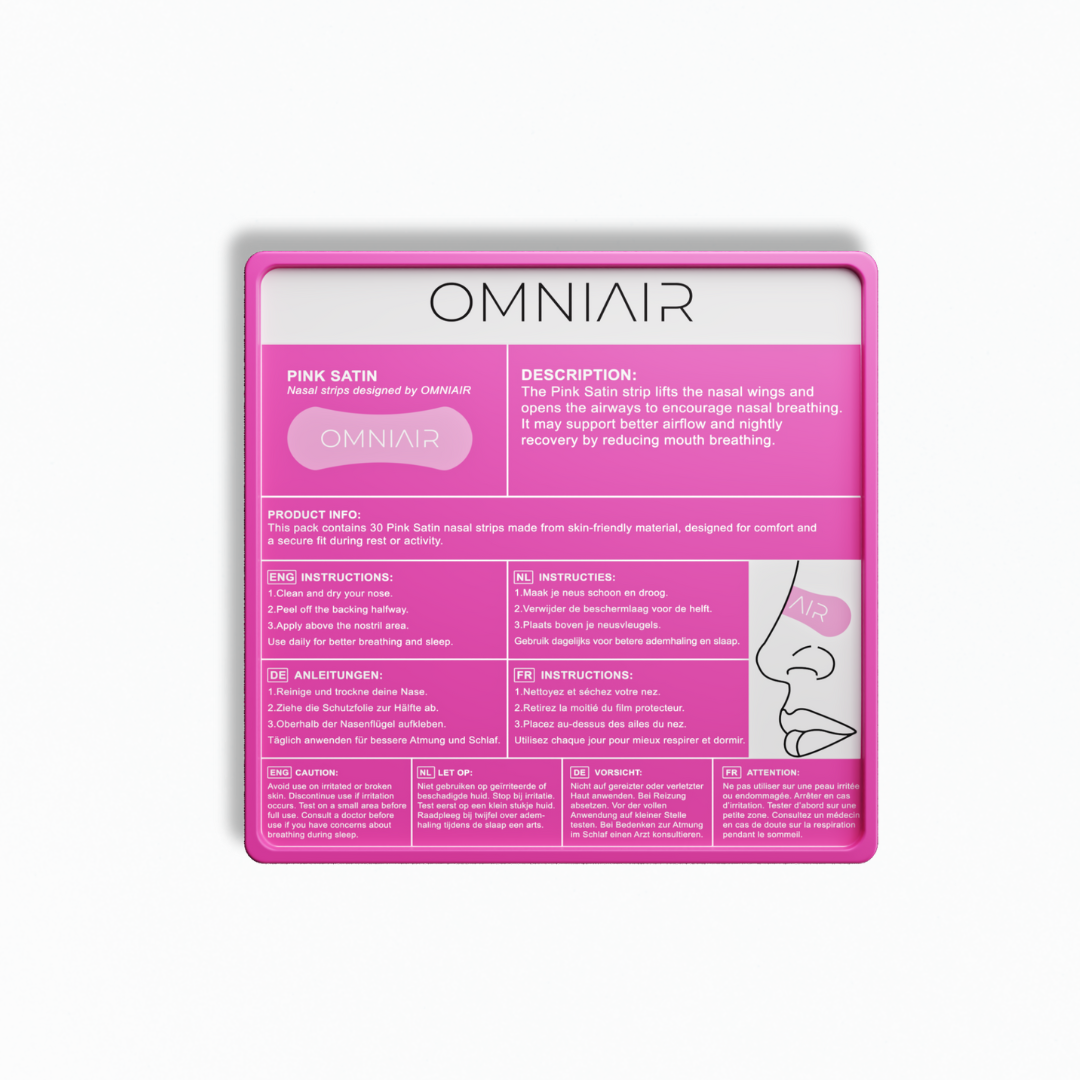
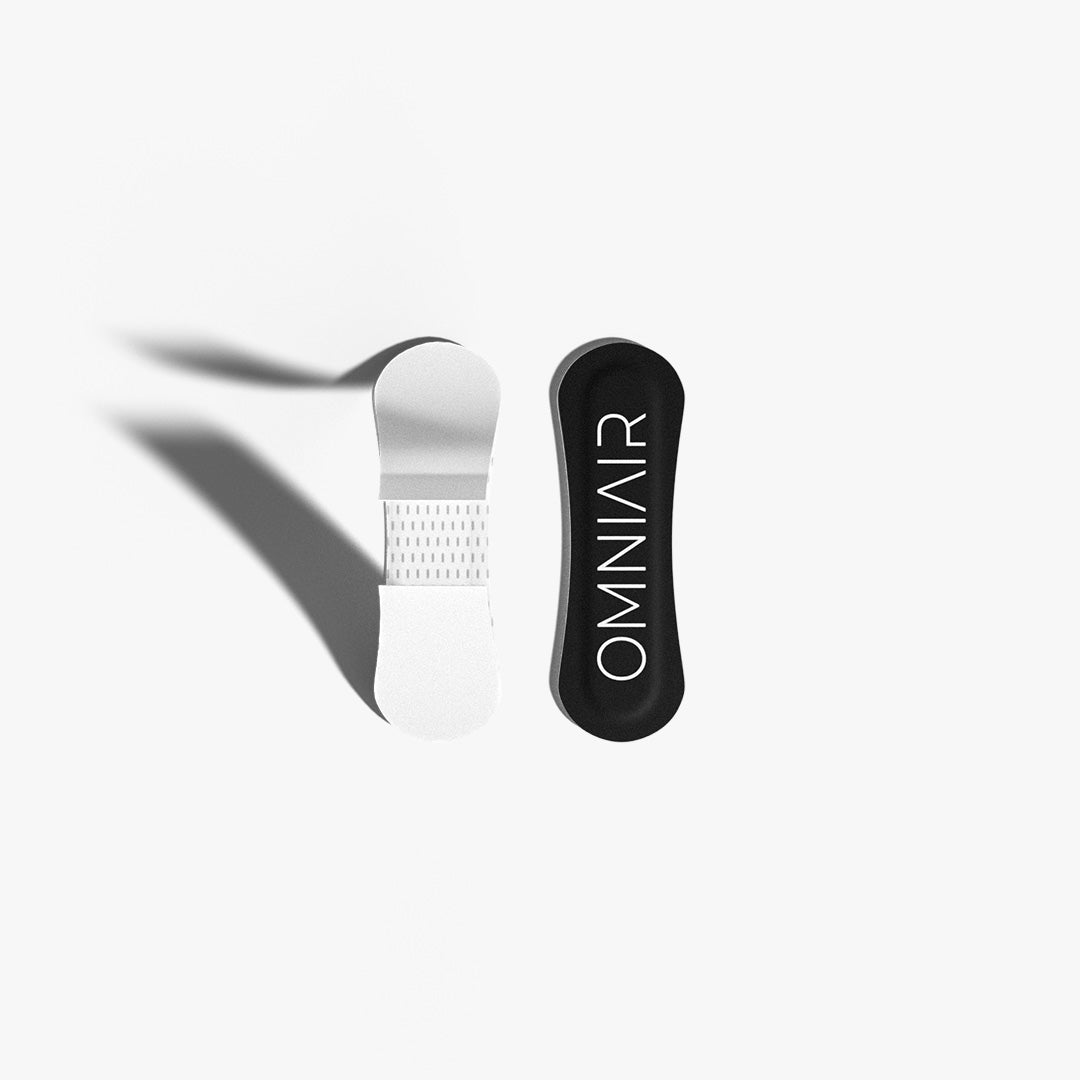
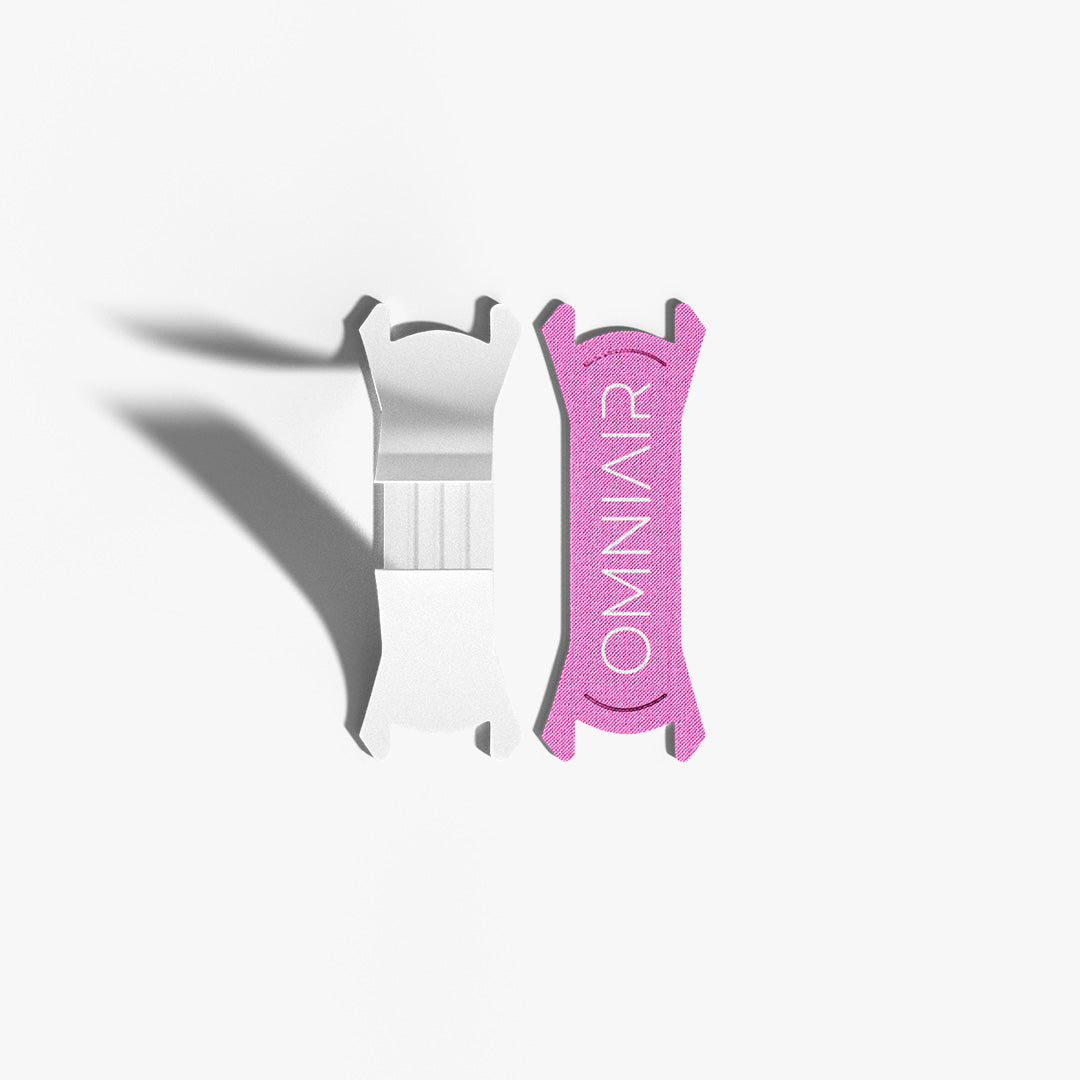
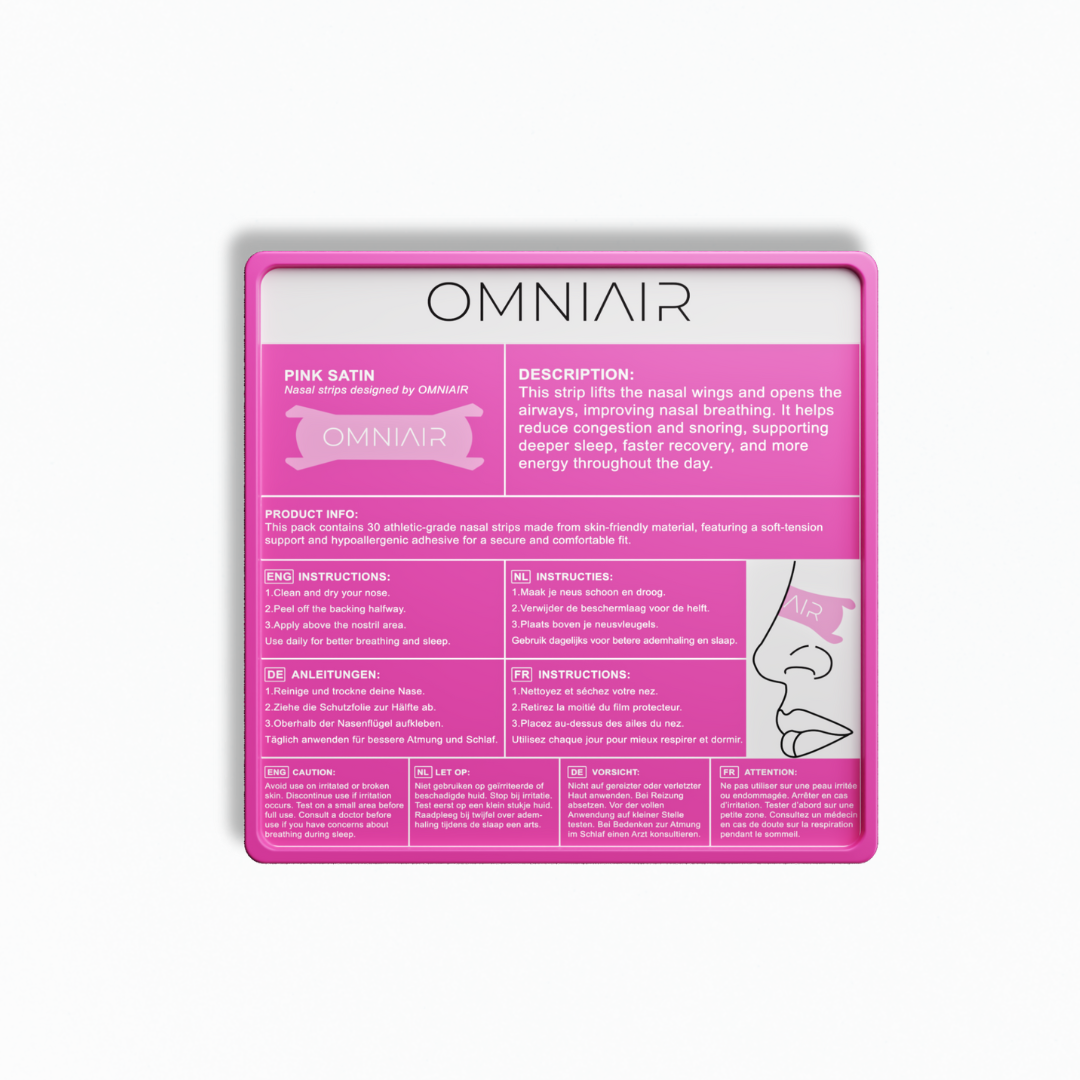
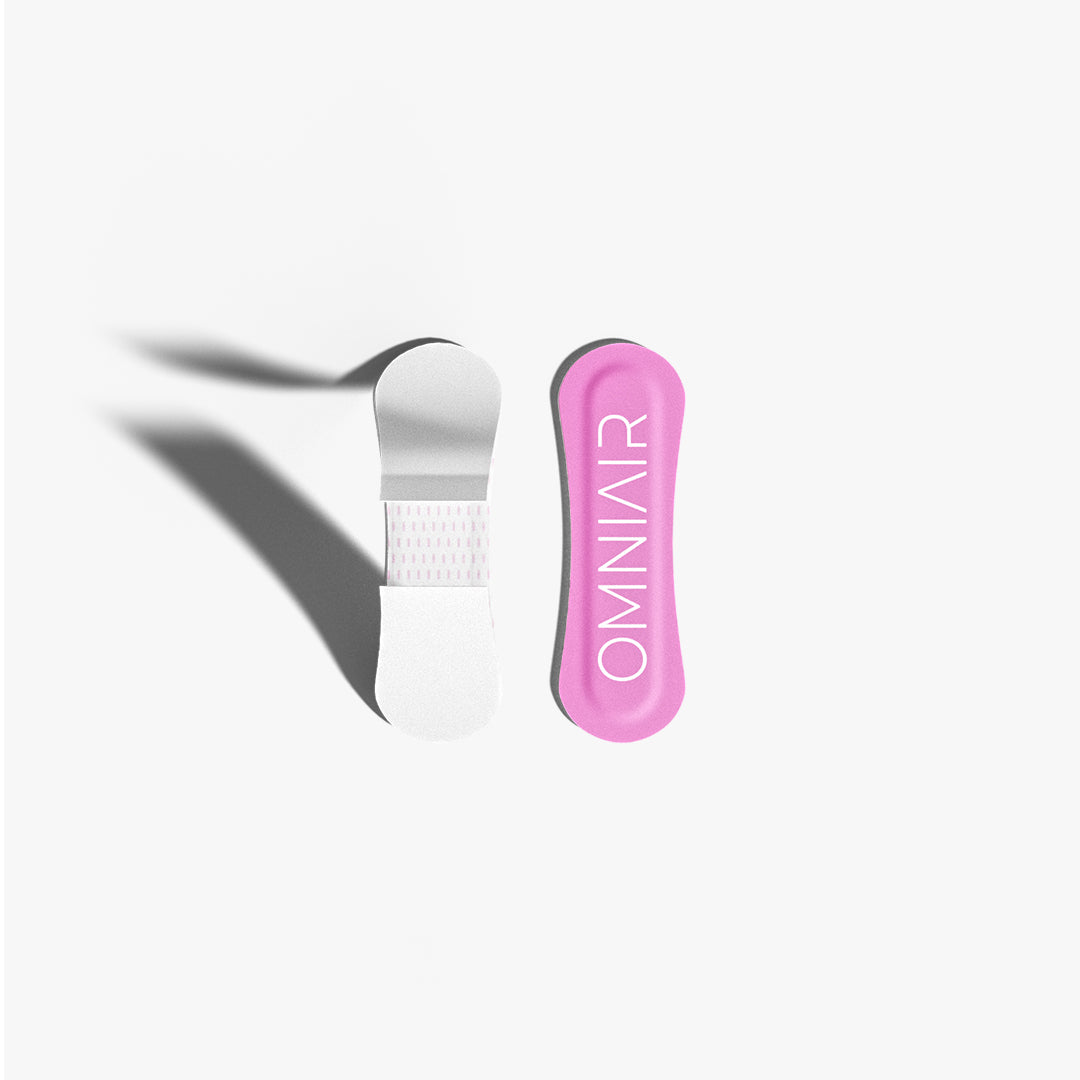
Our Sport Nasal Strips are engineered for high-sweat, multi-hour endurance racing. The adhesive holds through swim conditions, bike sweat, and marathon body temperature spikes. The strip stabilises the nasal valve where research shows the majority of airway resistance lives. Simple mechanical tool, clear scientific basis, suitable for the intensities you actually race at.
And the broader stack matters even more for Ironman than for shorter races. Mouth Tape protects nasal breathing during the critical recovery sleeps of race week. The Ice Bath accelerates post-long-training recovery, especially during peak weeks. The Sleep Mask protects deep sleep when you need it most. These aren't isolated products. They're a recovery system designed for athletes whose race day is measured in hours, not minutes.
The short version
Ironman is raced at submaximal intensity for 8 to 17 hours. 70.3 is raced at similar intensity for 4 to 8 hours. Peer-reviewed research consistently shows that nasal breathing is more efficient than oral breathing at exactly these intensities. The cost of operating is lower. The cumulative respiratory muscle fatigue is reduced. The parasympathetic tone is supported through hours of work.
A nasal strip doesn't raise your performance ceiling. It lowers the cost of operating below it. By stabilising the nasal valve and reducing airflow resistance, it helps you maintain nasal breathing for longer through the bike and run, where the marathon-distance impact actually adds up. During the swim, the application is limited. During max-effort surges, your body will mouth breathe. That's normal. The strip doesn't fight biology.
The science is clear on the mechanism. The application to Ironman and 70.3 is logical. The hype claims of "40% more airflow" aren't backed by the data, and we don't make them.
It's a small tool with a measurable effect. Not a miracle. One more lever in a complete race-day strategy for athletes who race for hours.
Ironman is won by the athlete who manages their breathing for the longest.
Disclaimer: OMNIAIR products are not medical devices and are not intended to diagnose, treat, cure or prevent any medical condition. If you have a medical condition or health concern, consult a qualified healthcare professional. Nasal strips are a mechanical aid and individual results vary.
Sources
- LaComb, C., et al. (2017). Oral versus Nasal Breathing during Moderate to High Intensity Submaximal Aerobic Exercise. International Journal of Kinesiology and Sports Science, 5(1). https://journals.aiac.org.au/index.php/IJKSS/article/view/3079
- Dallam, G.M., et al. (2018). Effect of Nasal Versus Oral Breathing on VO2max and Physiological Economy in Recreational Runners. International Journal of Kinesiology and Sports Science, 6(2), 22 to 29. https://journals.aiac.org.au/index.php/IJKSS/article/view/4400
- Dinardi, R.R., et al. (2021). External nasal dilators do not improve maximal oxygen uptake during aerobic exercise: A systematic review and meta-analysis. https://pubmed.ncbi.nlm.nih.gov/34286410/
- Roithmann, R., Chapnik, J., Cole, P., et al. (1998). Role of the external nasal dilator in the management of nasal obstruction. The Laryngoscope, 108(5), 712 to 715. https://pubmed.ncbi.nlm.nih.gov/9628502/
- Kirkness, J.P., Wheatley, J.R., Amis, T.C. (2000). Nasal airflow dynamics: mechanisms and responses associated with an external nasal dilator strip. European Respiratory Journal, 15(5), 929 to 936. https://erj.ersjournals.com/content/15/5/929
- Zaccaro, A., et al. (2018). How Breath-Control Can Change Your Life: A Systematic Review on Psycho-Physiological Correlates of Slow Breathing. Frontiers in Human Neuroscience, 12, 353. https://doi.org/10.3389/fnhum.2018.00353
- Amirsadri, A., Sedighi, H. (2026). Know Your Nose: A Narrative Review of the Developmental and Functional Impact and Importance of the Nose, Nasal Breathing and Techniques on Health and Emotional Wellbeing. Behavioral Sciences, 16(3), 467. https://doi.org/10.3390/bs16030467
- Romer, L.M., Polkey, M.I. (2008). Exercise-induced respiratory muscle fatigue: implications for performance. Journal of Applied Physiology, 104(3), 879 to 888. https://journals.physiology.org/doi/full/10.1152/japplphysiol.01157.2007
- Frontiers in Physiology (2025). Effects of oral, oronasal, and oronasal breathing with a decongested nose during incremental maximal exercise testing of well-trained endurance athletes. https://www.frontiersin.org/journals/physiology/articles/10.3389/fphys.2025.1654725/full

Ready to upgrade your recovery?
Science-backed tools, built for athletes who take recovery seriously.
Shop OMNIAIR