Why Padel Players Are Adding Nasal Strips to Their Bag
Padel is an interval sport disguised as a social one. Explosive rallies, short recovery, long matches, indoor air. Here's where nasal breathing genuinely fits into how you play, recover, and feel the next morning. The honest version of what the science says.
Padel has exploded across Europe over the past three years. What started as a niche sport is now a 25-million-player community, with the Netherlands leading per-capita adoption in Northern Europe. Most players still think of it as a casual game played after work or on weekends. The data says otherwise.
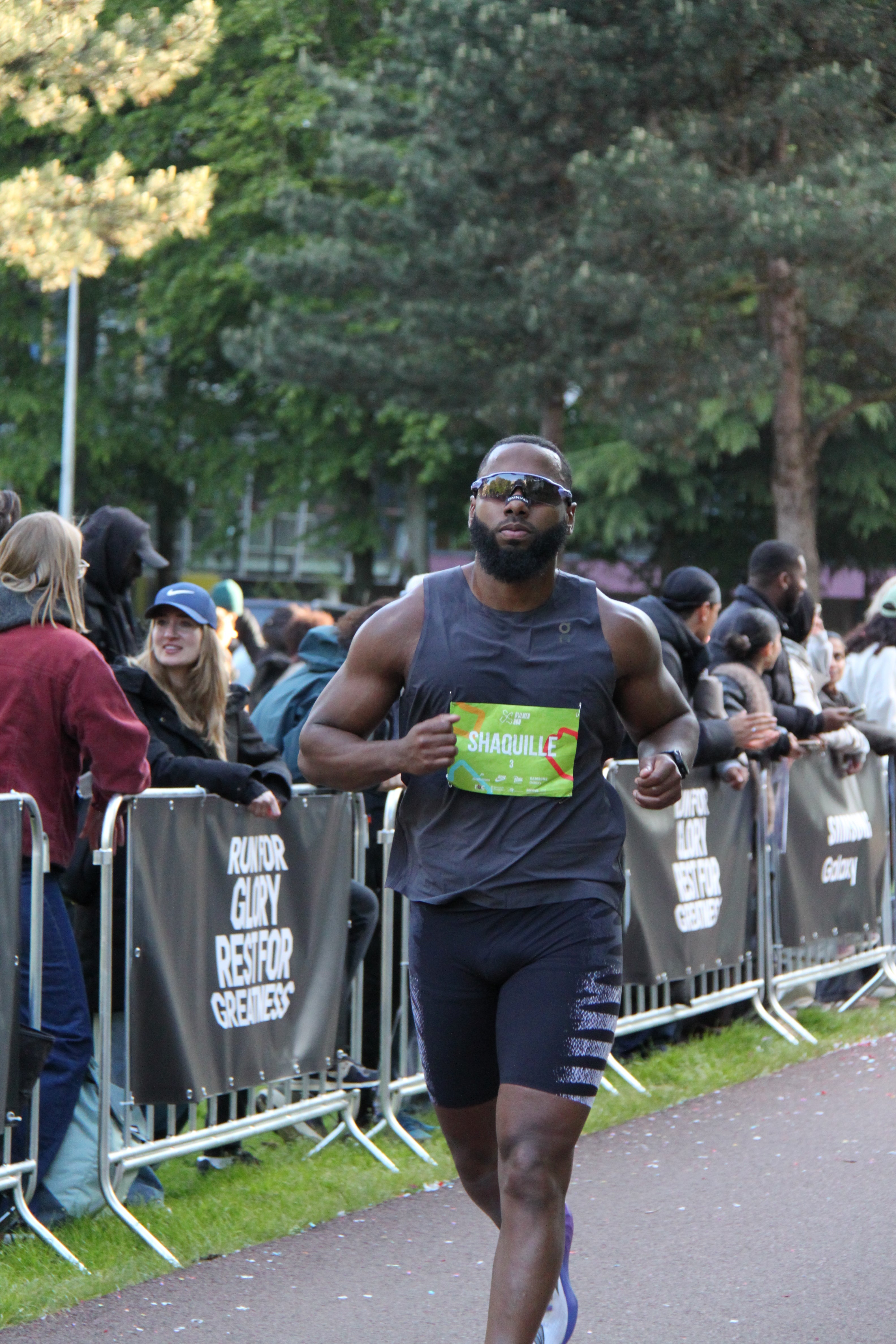
An average competitive padel match delivers 1.5 to 2 hours of intermittent high-intensity effort. Heart rate spikes regularly into zone 4 and 5 during rallies. Recovery between points happens in 15 to 25 seconds. By the end of a Sunday tournament, players have accumulated more cardiovascular stress than a 10K run, in a setting most don't take seriously as athletic effort.
That's where breathing optimisation starts to matter. Not for performance during the rally itself, but for everything around it. How fast you recover between points. How clear-headed you stay in the third set. How well you sleep after a 9pm match. The question this blog answers: does the research actually support nasal breathing optimisation for padel players, or is it just another piece of gear?
The padel breathing problem nobody talks about
Padel is unusual among racquet sports. The enclosed court traps air, dust, and humidity. The glass walls reflect ball pressure changes that affect rally length unpredictably. The intensity is anaerobic during the rally, then sharply submaximal during recovery. Your respiratory system has to switch states constantly for 90 minutes or more.
Most players default to mouth breathing from the first rally. It feels intuitive when intensity spikes. But here's what most don't realise: the nose, not the lungs, is often the limiting factor in how quickly you recover between points.
About 50 to 60% of total airway resistance sits in the nasal valve, a small zone just inside the nostrils. A clinical study by Roithmann and colleagues in The Laryngoscope measured this directly: the nasal valve is the single highest-resistance point in the entire airway. When you push hard, or when the air in the court is dusty, dry, or full of allergens, the soft tissues around that valve collapse inward. You stay locked in mouth breathing even when the rally is over and you should be recovering.
That matters because recovery between points is where padel matches are decided. The player who returns to a calm, controlled breathing state in 15 seconds plays the next rally fresh. The player still mouth-breathing heavily 20 seconds in starts the rally already at a deficit.
The recovery science that applies directly
This is where the research becomes interesting for padel specifically. A 2018 systematic review by Zaccaro and colleagues in Frontiers in Human Neuroscience concluded that slow, controlled nasal breathing activates the parasympathetic nervous system, increases heart rate variability, and lowers perceived stress. In other words: nasal breathing is the fastest available switch from "fight" to "recover".
For a padel player, this is the entire game. The 20 seconds between points is a recovery window. Players who breathe through the mouth during that window stay in sympathetic-dominant mode. Heart rate stays elevated. Cognitive clarity suffers. Decision-making slows. Players who can switch to nasal breathing in those seconds drop their heart rate faster, calm their nervous system, and walk into the next rally with a clearer head.
A 2026 narrative review by Amirsadri and Sedighi in Behavioral Sciences synthesised 70 studies on nasal breathing and noted that nitric oxide produced in the sinuses (concentrations up to 30,000 parts per billion) improves pulmonary oxygenation by up to 18% in some studies. During the 15-second recovery between points, that efficiency boost means faster lactate clearance and better oxygenation going into the next rally.
The 90-minute match builds on this. Over the course of a long match, players who recover better between points show measurably lower cumulative cardiovascular drift, lower perceived exertion in the final set, and fewer unforced errors in tie-breaks.
The indoor air problem
Most padel is played indoors. Glass-walled, climate-controlled, but rarely well-ventilated. Dust from the synthetic turf gets kicked up into the air with every rally. In summer, pollen drifts in from outside. In winter, dry heating air strips moisture from your airways. All of it makes nasal breathing harder at exactly the moment you need it most.
This is where a nasal strip earns its place mechanically. Roithmann's clinical study showed that an external nasal strip significantly increases the minimum cross-sectional area of the nasal valve and reduces airflow resistance. A 2000 study by Kirkness and colleagues confirmed the mechanism: the springy bands stabilise the lateral nasal walls so they don't collapse during forceful inhalation.
Translation for padel: a nasal strip keeps the nasal airway open exactly when the court environment is trying to close it. You stay able to nasal-breathe during recovery, even when the air is bad.
Sleep recovery after evening matches
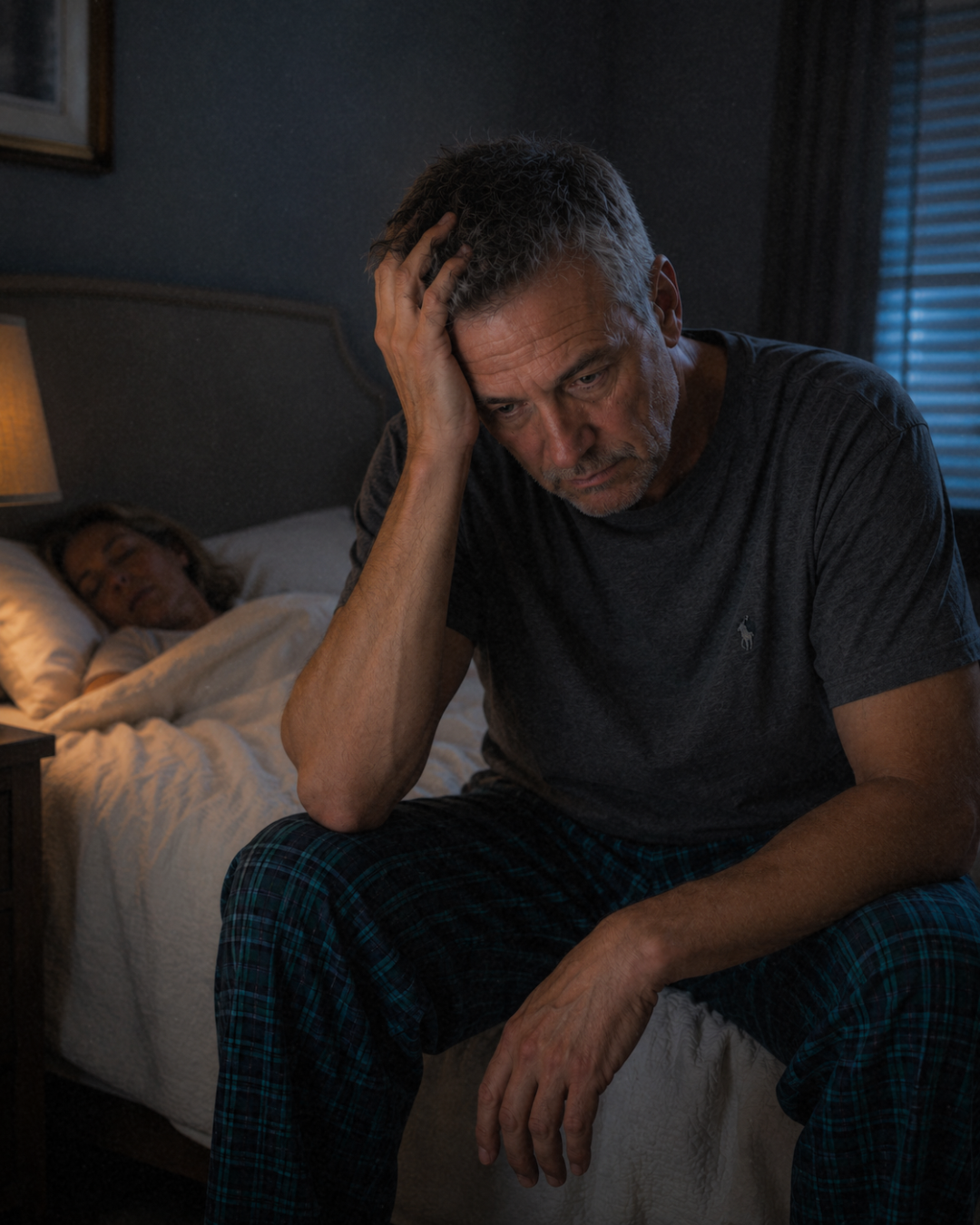
Here's the angle most padel players miss. Most competitive matches happen in the evening, between 7pm and 10pm. You play hard, you eat late, you go to bed wired. Then sleep quality crashes.
Mouth breathing during sleep is one of the largest hidden contributors to poor recovery. It dries the airways, fragments sleep, increases snoring, raises sympathetic activity overnight, and reduces the parasympathetic-dominant phases where physical recovery actually happens.
For players who train hard or compete weekly, the cost of bad post-match sleep accumulates. Slower recovery between sessions. Lower energy on the next match. Reduced cognitive sharpness on Monday.
A nasal strip overnight after a heavy session keeps the nasal airway open through the deeper sleep stages, supporting nasal-dominant breathing patterns associated with better autonomic recovery. This isn't a sleep miracle. But for a padel player playing 2-3 times a week, the cumulative recovery benefit compounds.
Where a nasal strip actually fits in for padel
So we've established four things specific to padel. The 15-second recovery between points is where matches are won or lost. Nasal breathing is the fastest switch from sympathetic to parasympathetic state. Indoor courts have air quality problems that constrict nasal breathing. And evening matches damage sleep quality if mouth breathing dominates overnight.
Practical placement of a nasal strip in a padel player's routine:
- During the match. Open nasal airway means faster recovery between points and clearer thinking in the third set.
- Long tournament days. Multiple matches across 6-8 hours means cumulative respiratory load. A strip reduces the cost.
- Post-match sleep. Especially after evening matches. Better breathing pattern overnight means better recovery for tomorrow.
- Dusty courts or allergy season. Mechanical support exactly when the environment is fighting you.
What a nasal strip does not do
Be honest about what to expect.
- It won't make you a faster sprinter to a lob. Maximum-intensity rallies are anaerobic and mouth breathing dominates there by necessity.
- It won't fix bad technique. If you're losing matches because of court positioning or volley control, a strip is not the issue.
- It won't replace conditioning. If you're gassed in the second set, you need to train, not just optimise gear.
- It won't help if you have a severe cold. With heavy congestion, the mechanical opening matters less than the actual inflammation.
The value sits in recovery between points, sustained breathing efficiency over a long match, mechanical resistance to bad indoor air, and overnight sleep quality. That's the entire pitch for padel. It's enough.
The OMNIAIR standard for padel
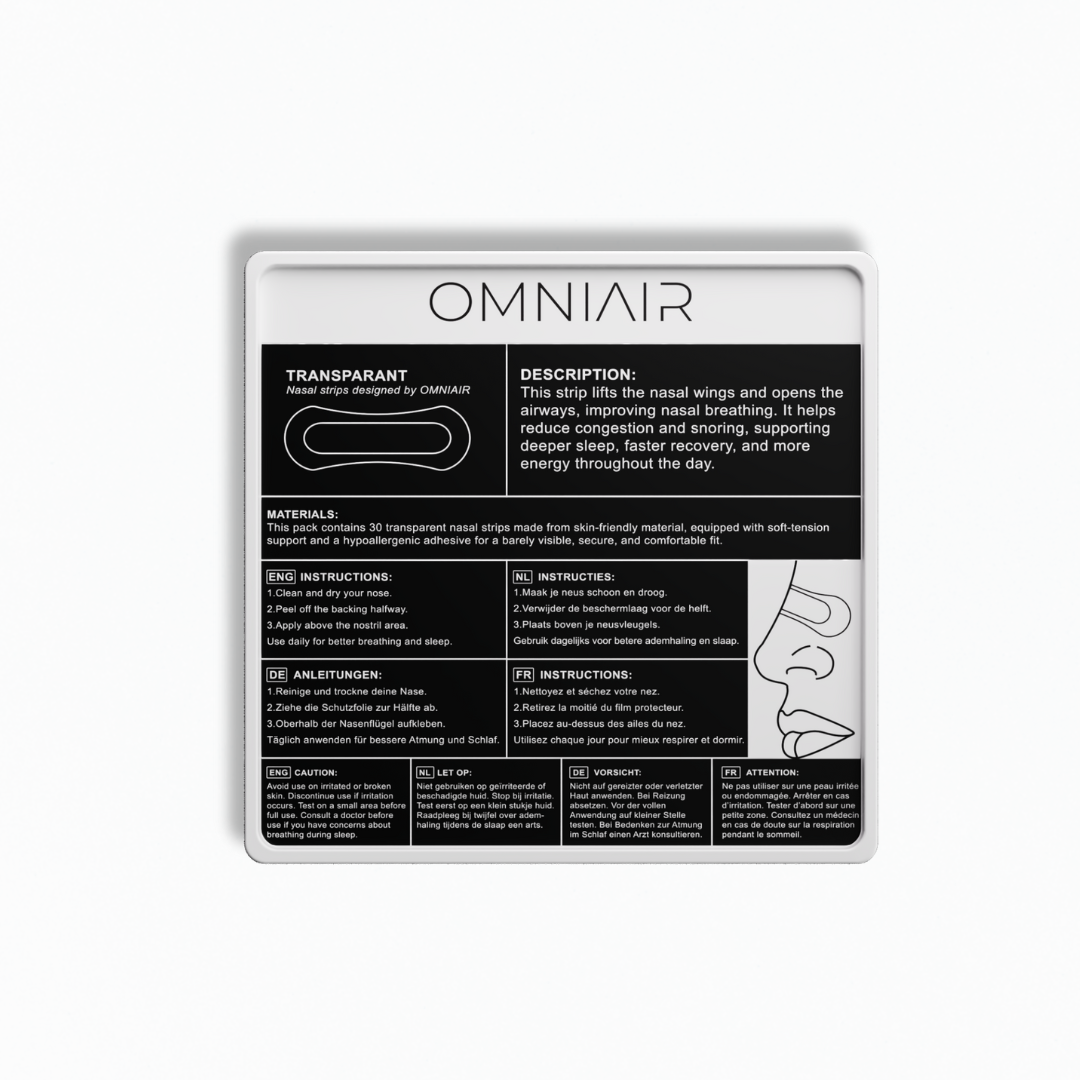
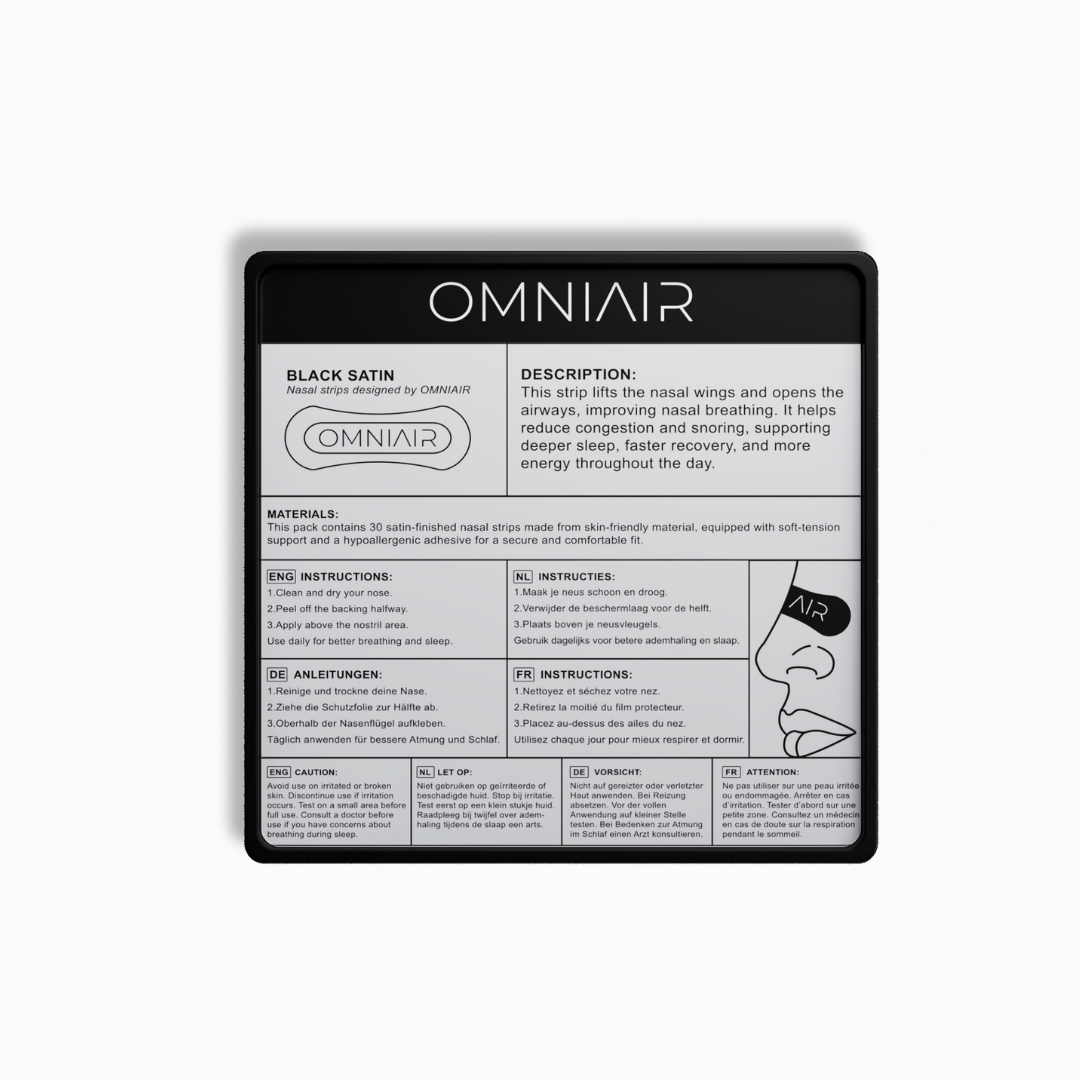
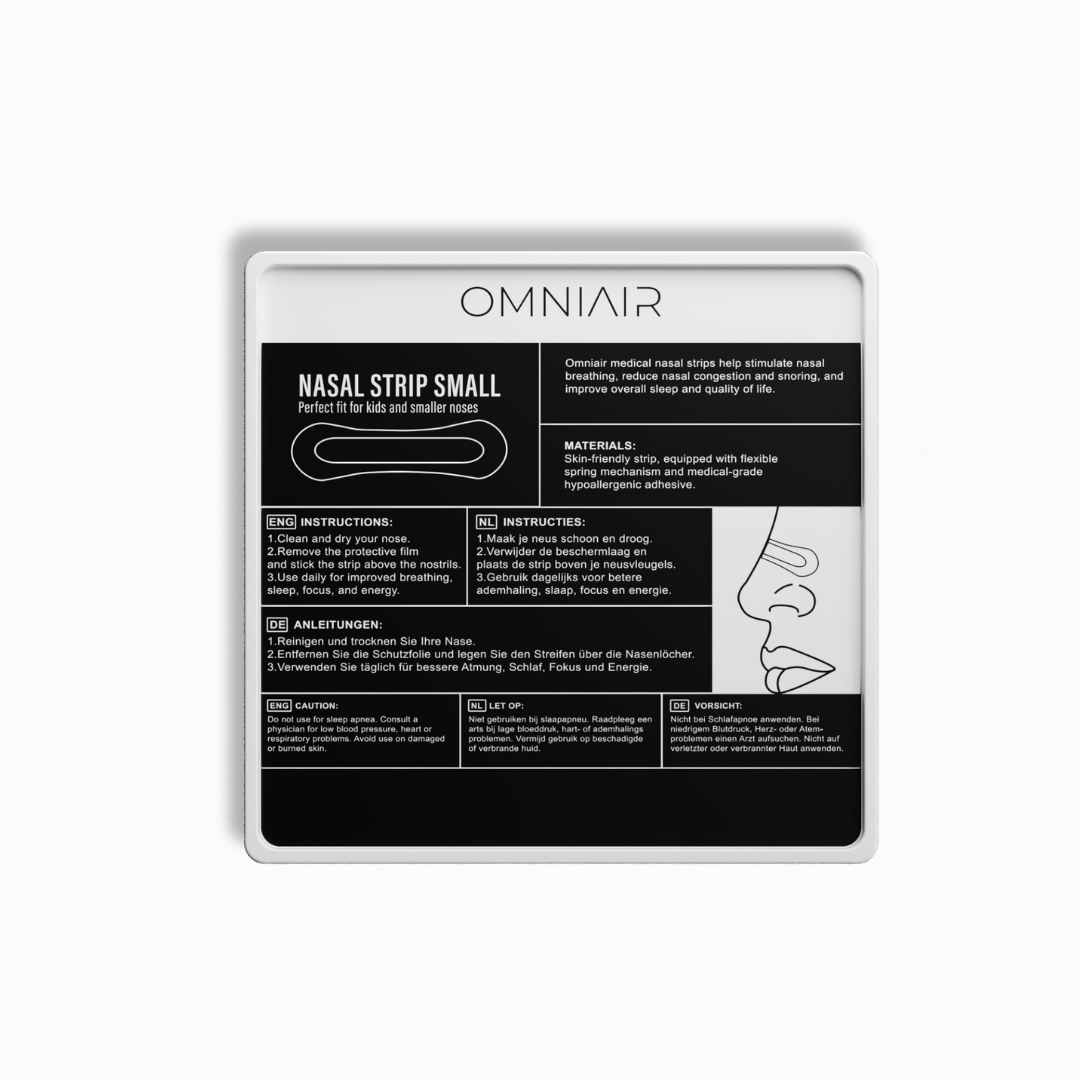
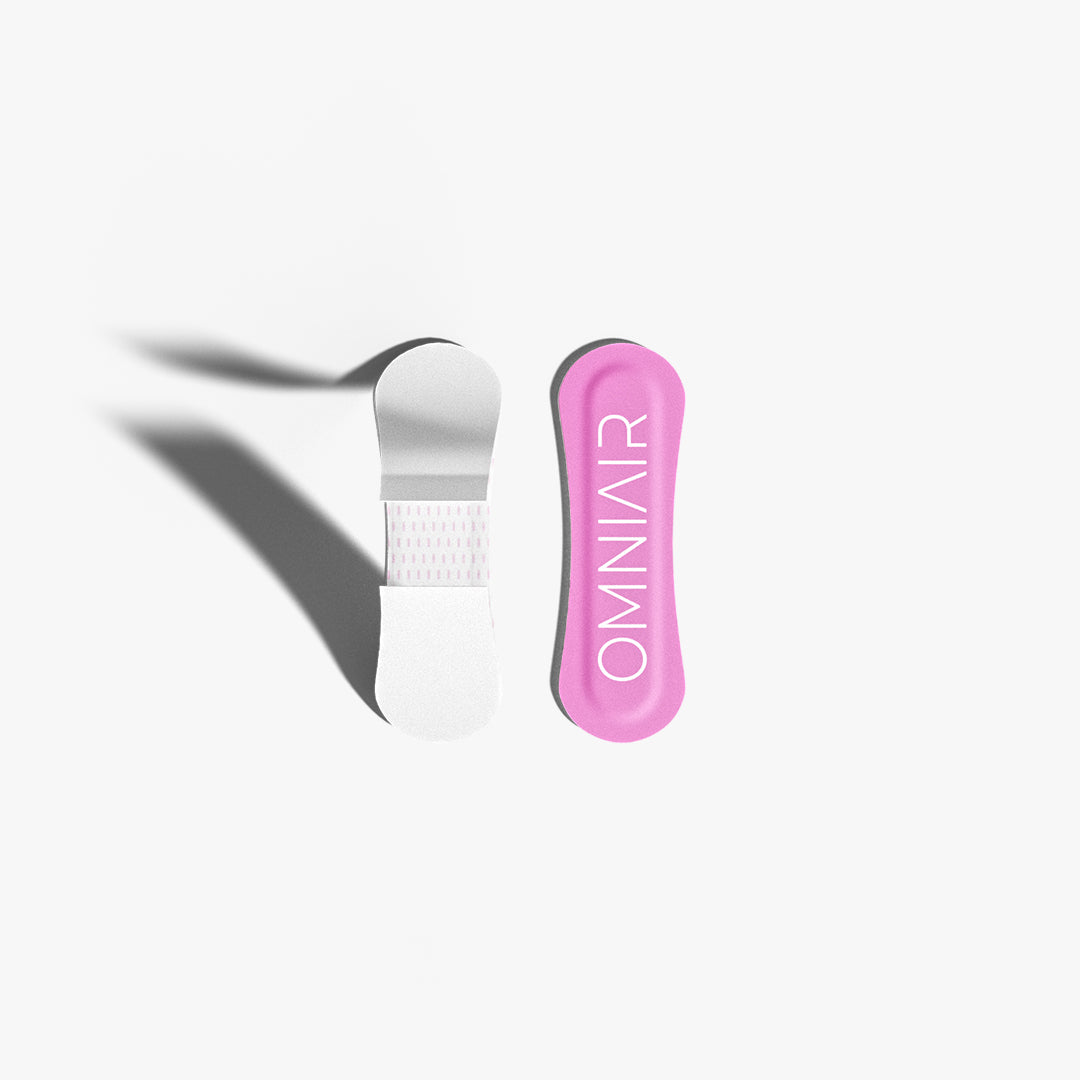
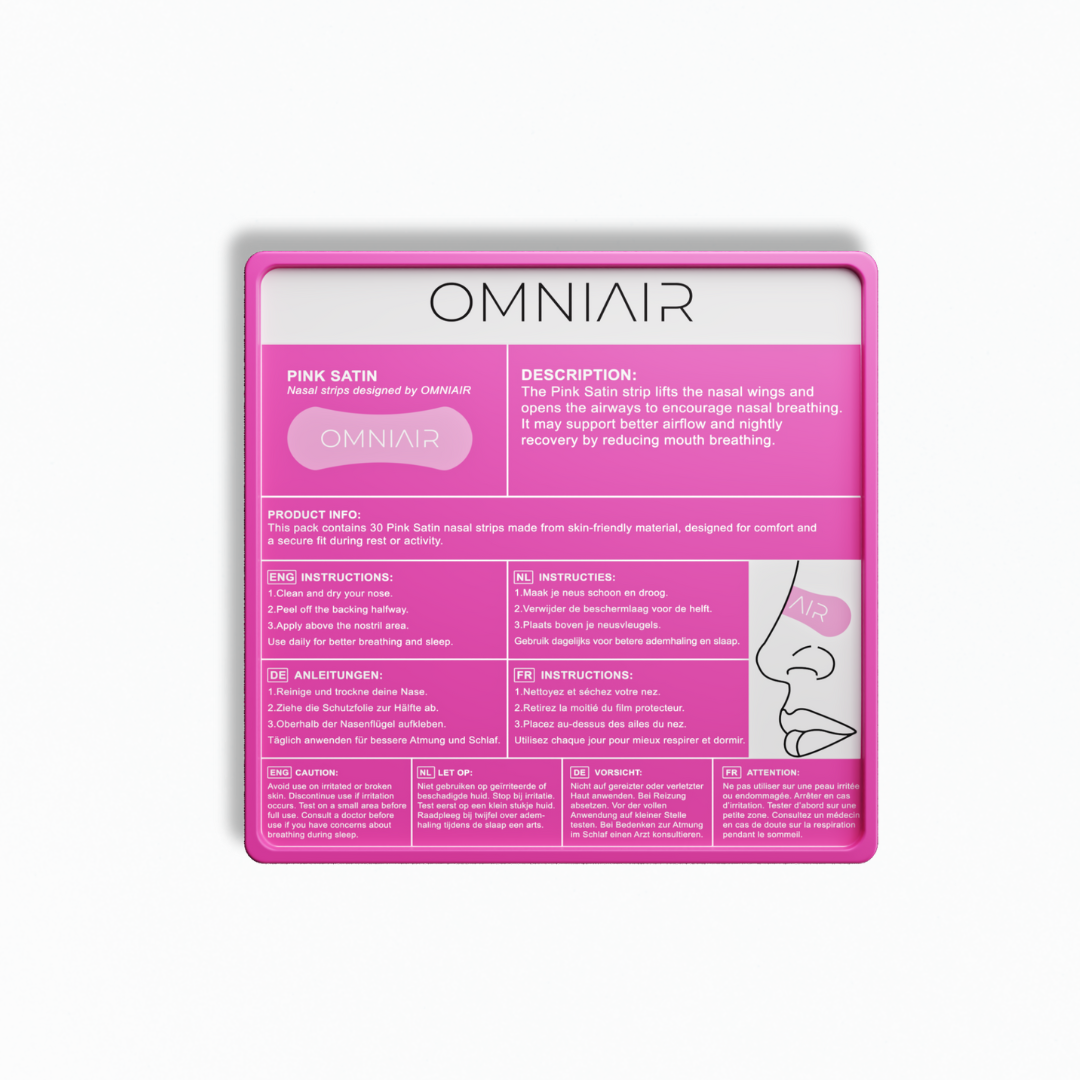
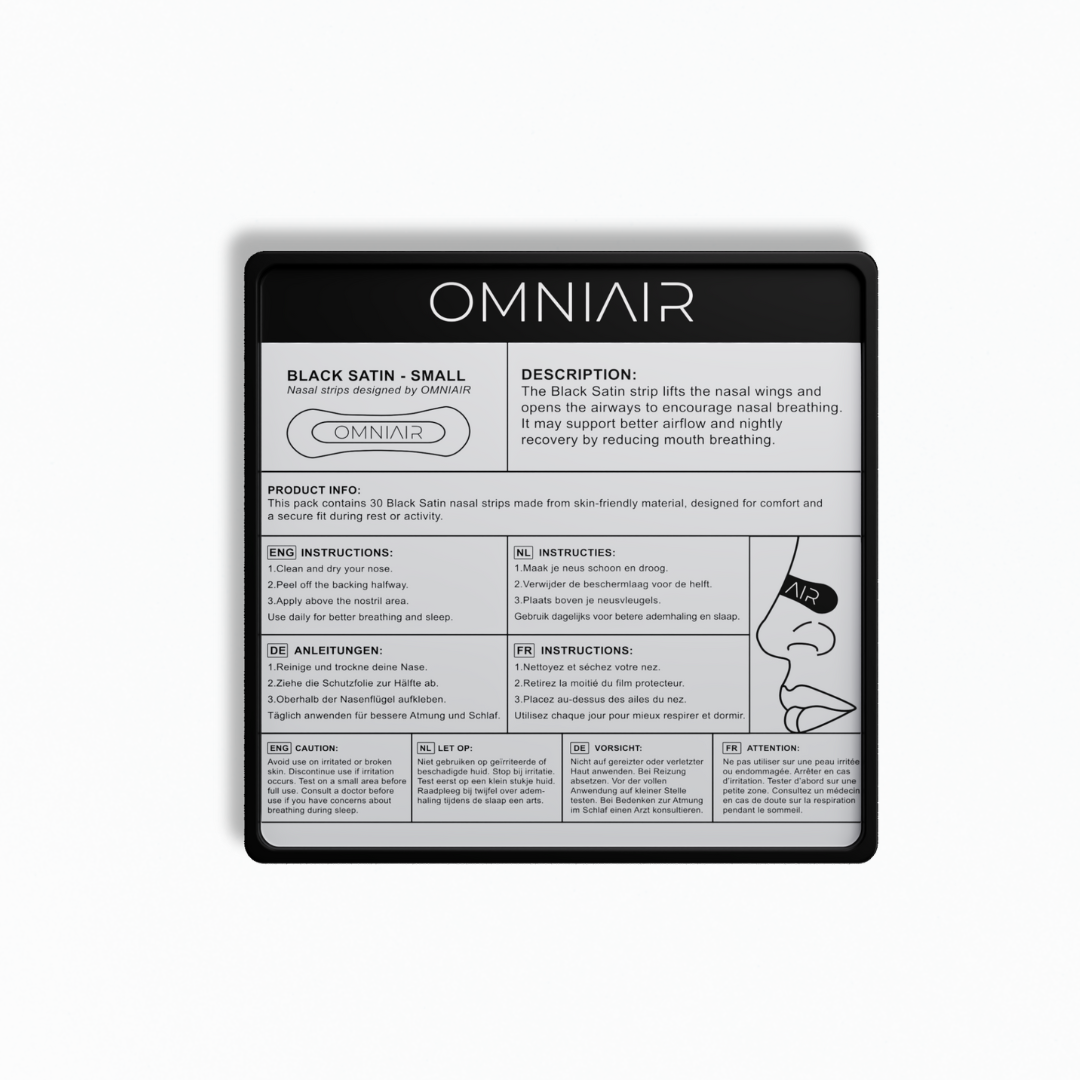
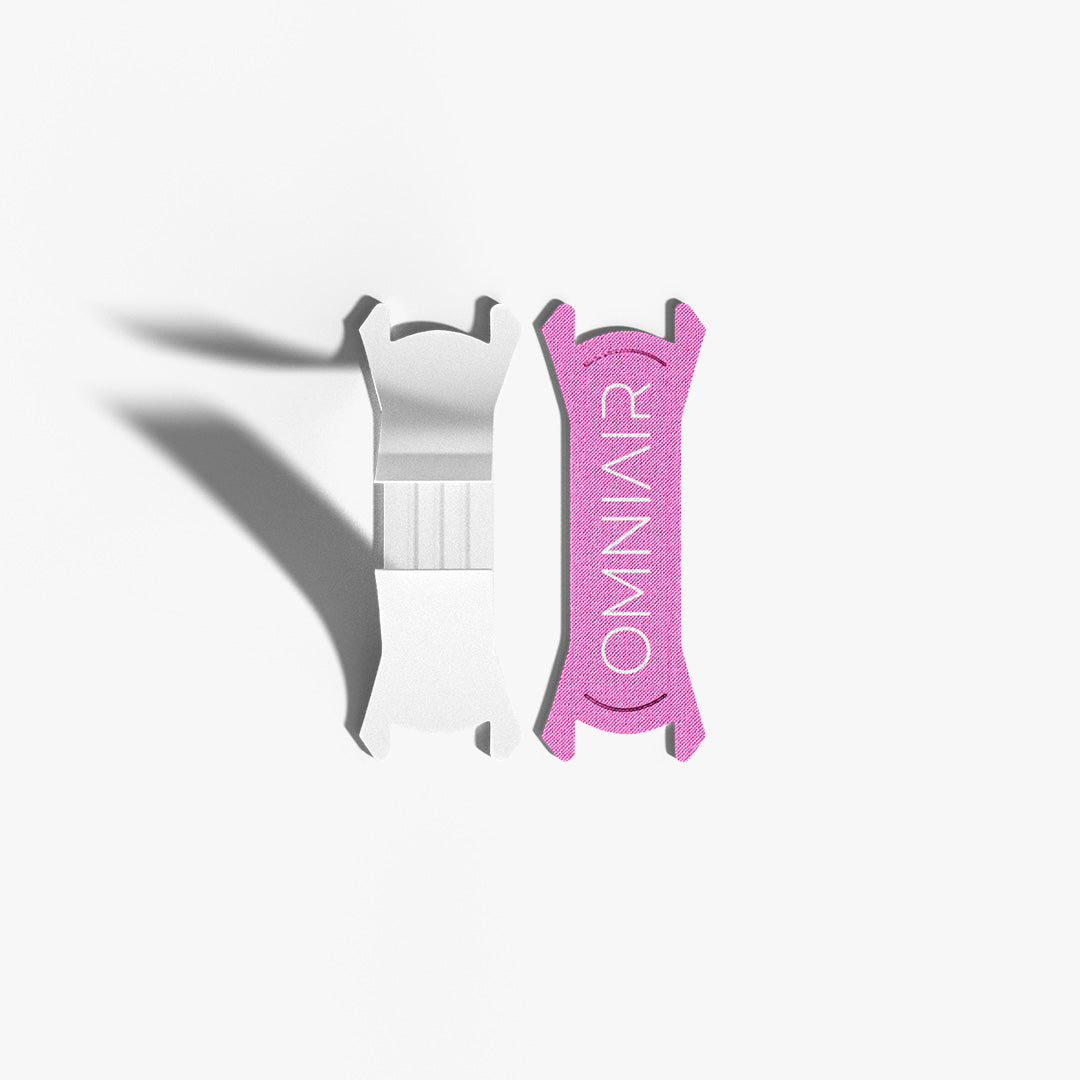
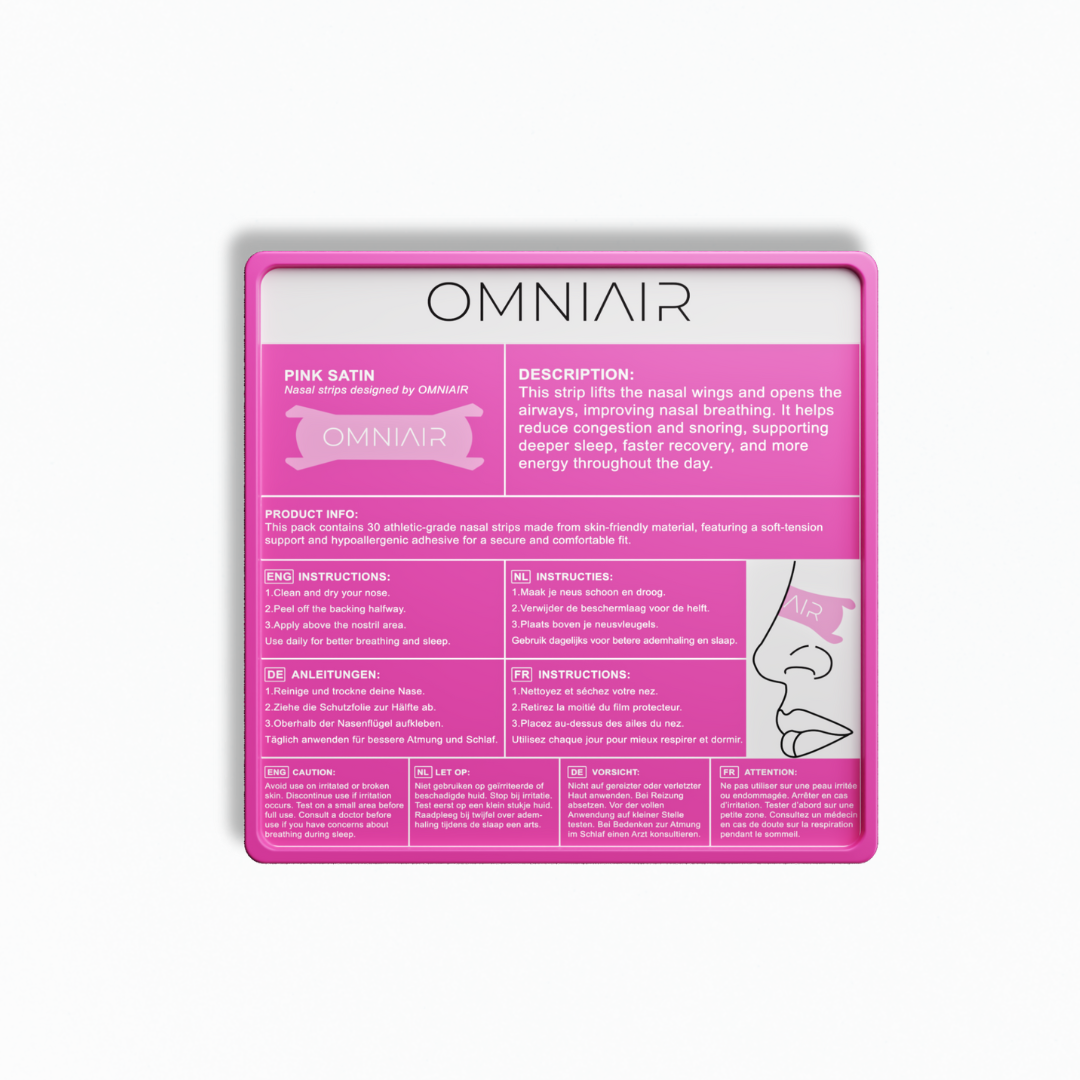
OMNIAIR isn't a hack. It's a precision-engineered tool for the player who pays attention to the variables they can actually control. Every detail is built for hours of work, not five minutes of relief.
Engineered specifically for athletic use:
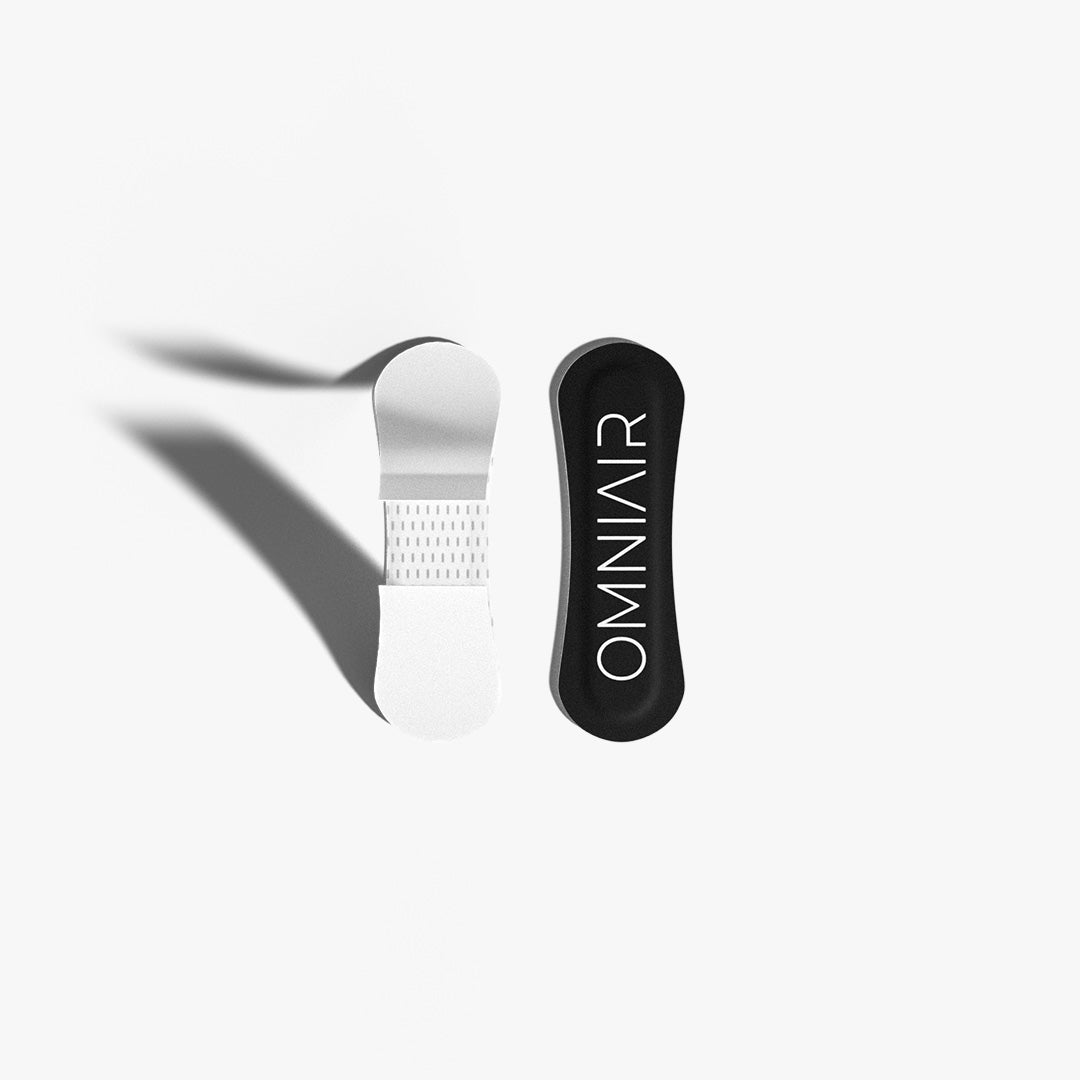
- Maximum nasal valve opening. The spring-band tension is calibrated to lift the lateral nasal walls fully, opening the cross-sectional area without over-engineered pressure.
- Built to last the entire match. Medical-grade adhesive bonds to sweat-active skin and holds through 2+ hours of intense play, rain, weather, and full tournament days. No mid-match adjustments.
- Zero pressure on the nasal bridge. Critical when you're wearing sunglasses or playing in glass-court reflections. Most strips create a pressure point that becomes painful. OMNIAIR sits below that zone.
- Compatible with your routine. Works with sunscreen, sweatbands, and skin tape. Apply to clean, dry skin first and the rest layers on without issue.
- Clean removal. Designed to peel cleanly without taking skin or leaving residue, so you can use it daily without skin irritation.
- Trusted by athletes, not snorers. Most strips on the market were designed for sleep. OMNIAIR was designed from the start for athletes who push their respiratory system to the limit.
This is what separates OMNIAIR from generic pharmacy strips: every design decision is made for the third set, not the first ten minutes. It's a small thing. But in a sport where matches are decided by who recovers fastest between rallies, small things compound across 90 minutes.
Padel isn't won during the rally. It's won in the 15 seconds between them. A nasal strip is a small mechanical fix in the system that controls those 15 seconds. Sometimes that's all the edge you need.
Sources
- Roithmann, R., et al. (1998). Effects of external nasal dilator strips on nasal patency: acoustic rhinometry measurements. The Laryngoscope. https://pubmed.ncbi.nlm.nih.gov/9628502/
- Kirkness, J.P., et al. (2000). Mechanical action of external nasal dilator strips on the upper airway. European Respiratory Journal, 15(5), 929-936. https://erj.ersjournals.com/content/15/5/929
- Zaccaro, A., et al. (2018). How Breath-Control Can Change Your Life: A Systematic Review on Psycho-Physiological Correlates of Slow Breathing. Frontiers in Human Neuroscience, 12, 353. https://doi.org/10.3389/fnhum.2018.00353
- Amirsadri, A., & Sedighi, S. (2026). The physiological and psychological effects of nasal breathing: A narrative review of 70 studies. Behavioral Sciences. https://doi.org/10.3390/bs16030467
- Dinardi, R.R., et al. (2021). External nasal dilators do not improve maximal oxygen uptake during aerobic exercise: A systematic review and meta-analysis. https://pubmed.ncbi.nlm.nih.gov/34286410/
- LaComb, C., et al. (2017). Oral versus Nasal Breathing during Moderate to High Intensity Submaximal Aerobic Exercise. International Journal of Kinesiology and Sports Science, 5(1). https://journals.aiac.org.au/index.php/IJKSS/article/view/3079

Ready to upgrade your recovery?
Science-backed tools, built for athletes who take recovery seriously.
Shop OMNIAIR